Best Soft Foods After Dental Surgery: 40+ Options That Actually Taste Good
Written & Researched By
Editorial Team · product research desk
Sources: ADA guidelines, Mayo Clinic, PubMed, peer-reviewed dental literature
Published: September 7, 2026
Affiliate Disclosure: This article contains affiliate links. If you purchase through our links, we may earn a small commission at no extra cost to you. This supports the editorial desk. See our full disclosure and How We Make Money.
Short answer: The best soft foods after dental surgery are protein-rich, nutrient-dense, and require minimal to no chewing. Greek yogurt, scrambled eggs, mashed potatoes, smoothies, and puréed soups are the staples. Avoid anything crunchy, spicy, acidic, or very hot for at least 5-7 days.
JawPainAfterToothExtraction is an editorial desk. We compile published dental guidance, manufacturer specs, and community consensus. We do not run an in-house lab or a test fleet, and we do not claim we personally treated patients. This is a texture-and-stocking list, not a healing-speed diet trial.
Listing check: Confirm a personal blender with a drink-from cup (no straw) — not a pitcher-only countertop unit. Amazon “NutriBullet” parent pages mix those form factors. The rinse ASIN used elsewhere on this site is also reused as a water-flosser card, so the rinse link below is a tagged search, not that shared SKU.
You know you need to eat soft foods. But after two days of plain applesauce and lukewarm broth, you’re going to want some variety. This guide gives you 40+ specific options organized by meal, plus the nutrients aftercare pages keep mentioning. Eating enough is recovery planning. It is not a promise that any food “speeds up healing.”
Hub stocking ideas live on Soft Food Product Ideas. A day-by-day menu is the 7-day soft food meal plan.
Why Your Food Choices Matter for Healing
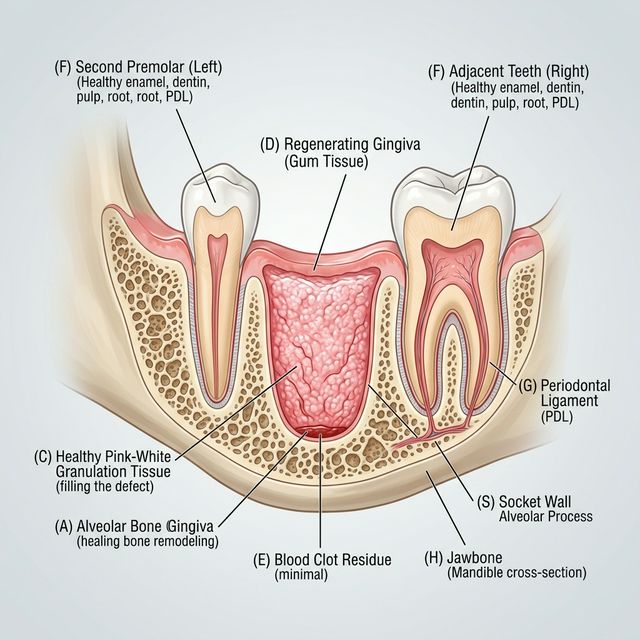
Your body repairs the extraction site using the nutrients you provide. Skimp on food because it’s too painful to eat, and you may heal slower, feel more fatigued, and have a rougher recovery overall.
The key nutrients your body needs for wound repair:
- Protein — builds new tissue. Aim for 50-70g daily. Most soft food diets fall short here.
- Vitamin C — supports collagen production, which gives new tissue its structure
- Vitamin A — promotes cell growth at the wound site
- Zinc — essential for immune function and cell division
- Calories — healing is metabolically demanding. Eating too little slows everything down.
The goal isn’t to eat perfectly. It’s to eat enough nutrient-dense soft food that you are not running on applesauce alone. For a full day-by-day eating schedule, check our 7-day soft food meal plan after tooth extraction. If chewing on one side has you worried the next tooth is already drifting, that is usually a later question — see Teeth Shifting After Tooth Extraction.
Breakfast Soft Foods
Cool or Room-Temperature Options (Best for Days 0-2)
Greek yogurt — The recovery MVP. High in protein (15-20g per cup), cool and soothing, requires zero chewing. Top with honey or mashed banana. Avoid varieties with crunchy granola or seeds mixed in.
Smoothies — Blend frozen fruit, yogurt, protein powder, and milk or juice for a nutrient-packed meal in a glass. The catch: drink from a cup, not a straw. The suction from a straw is one of the clot-disruption habits aftercare pages warn about — see dry socket symptoms if pain reverses after day 2. A personal blender like the NutriBullet is useful when the live title is a drink-from cup, not a pitcher-only jar. More form factors are in Best Blenders for Soft Food.
Overnight oats — Soak oats in milk overnight with chia seeds and mashed banana. They’re soft enough to swallow without chewing, and the chia seeds add protein and omega-3s.
Cottage cheese — Often overlooked, but cottage cheese is protein-dense (14g per half cup) and the small-curd variety goes down very easily. Mix with applesauce or mashed peaches.
Warm Options (Best for Day 3 Onward)
Scrambled eggs — Soft-scrambled (not crispy) eggs are one of the best recovery foods. About 12g of protein per two eggs, plus vitamins A and D. Cook them creamy, not dry, and let them cool slightly before eating.
Instant oatmeal — Prepare it with extra milk so it’s thin and smooth. Add honey, cinnamon, and mashed banana. Avoid chunky varieties with nuts or dried fruit pieces.
Pancakes — Thin, soft pancakes torn into small pieces and soaked in syrup or butter are a welcome change of pace by day 4-5. The softness matters — thick, dense pancakes require more jaw effort.
Lunch Soft Foods
Puréed soups — Butternut squash, tomato bisque, potato leek, and cream of mushroom are all good options. Serve warm, not hot — very hot liquids can disturb the blood clot in the early days and cause discomfort. If making from scratch feels like too much effort, high-quality store-bought options work just as well.
Mashed avocado — Creamy, packed with healthy fats, and easy to eat. Add a pinch of salt. You can spread it on very soft bread (soaked slightly) once you’re past day 3-4.
Hummus — Smooth hummus is a good source of protein and fiber. Eat it with a spoon or on very soft pita by day 5-6.
Egg salad — Finely mashed hard-boiled eggs with mayo and mustard. Soft enough to eat with a spoon on day 3+. One of the more satisfying options when you’re craving something savory.
Refried beans — Warm, protein-rich, and require zero chewing. Top with sour cream or melted cheese for extra calories.
Mashed sweet potatoes — Rich in vitamin A and naturally sweet. Add butter and a touch of cinnamon. Can be prepped ahead and reheated.
Dinner Soft Foods
Overcooked pasta — Cook pasta 2-3 minutes beyond the package directions until it’s very soft. Toss with butter, olive oil, or smooth marinara sauce. Small pasta shapes like orzo, ditalini, or pastina work best.
Risotto — Naturally creamy and soft. Cheese risotto or mushroom risotto are both excellent recovery meals. Yes, it takes 20 minutes to make, but the texture is perfect for a healing mouth.
Soft-cooked fish — Baked cod, tilapia, or salmon flakes apart easily and requires minimal chewing. Good protein source (20-25g per serving). Start on day 4-5 when you can handle light chewing.
Shepherd’s pie (mashed potato topping only) — Warm, filling, and the mashed potato layer is gentle on extraction sites. Use ground meat that’s been cooked until very soft.
Mac and cheese — Comfort food that’s genuinely practical during recovery. Cook the noodles soft and use a creamy cheese sauce.
Congee or rice porridge — A staple recovery food in many cultures for good reason. Rice cooked down with broth until it’s smooth and creamy, with optional soft toppings like a poached egg or steamed tofu.
Snacks
Applesauce — Cool, mild, and easy. The pouches are convenient when you don’t want to deal with dishes.
Pudding or custard — Ready-made pudding cups are an easy calorie source. Not nutritionally dense, but useful for keeping your calorie intake up when you’re struggling to eat full meals.
Banana — Ripe bananas are soft enough to mash against the roof of your mouth. Good source of potassium. Overripe bananas work even better since they’re softer and sweeter.
Protein shakes — If you’re not hitting your protein targets with food, a protein shake fills the gap. Mix protein powder with milk, drink from a cup.
Frozen yogurt or ice cream — Cool and soothing, especially on day 0-2. Choose varieties without hard mix-ins like cookie pieces or nuts.
Jell-O — Minimal nutrition, but it’s cool, flavorful, and goes down effortlessly when nothing else appeals to you.
Foods to Avoid (and Why)
| Food Type | Why to Avoid | How Long |
|---|---|---|
| Chips, crackers, nuts | Sharp edges can scratch the extraction site or lodge in the socket | 7-10 days |
| Popcorn | Kernel hulls get stuck in sockets and cause irritation or infection | 2 weeks |
| Spicy foods | Irritates the wound and increases inflammation | 5-7 days |
| Very hot food/drinks | Can dissolve the blood clot in early days | 3-4 days |
| Acidic foods (citrus, tomato juice, vinegar) | Stings the open wound | 5-7 days |
| Chewy foods (jerky, bagels, steak) | Requires jaw effort that strains the healing area | 7 days |
| Seeds, quinoa, rice (small grains) | Can get trapped in the extraction socket | 7-10 days |
| Alcohol | Dehydrates tissue and interacts with pain medication | 7 days / per med instructions |
Nutrition Hacks for Recovery
Problem: You’re not eating enough calories. Solution: Add calorie-dense toppings to everything. Butter on mashed potatoes, honey in yogurt, olive oil drizzled on soup, peanut butter blended into smoothies. Healing requires energy, and undereating makes everything feel worse.
Problem: You’re not getting enough protein. Solution: Protein powder is your friend. Add it to smoothies, oatmeal, or even mix it into yogurt. Greek yogurt, cottage cheese, and eggs should appear in your rotation daily.
Problem: Everything tastes bland. Solution: Herbs, salt, honey, cinnamon, and vanilla extract all add flavor without irritating the wound. Avoid spicy seasonings, but savory seasonings are fine.
Problem: You’re tired of sweet foods. Solution: Lean into savory options — mashed potatoes with gravy, egg salad, hummus, refried beans, soft risotto, and broth-based soups. Most people default to sweet soft foods and burn out by day 3.
Recommended Recovery Products
Comfort tools that make a no-straw soft-food week easier — not a clinic pantry we stocked:
- Personal blender with a drink-from cup — useful when the live title is a single-serve cup you can sip from, not a pitcher-only countertop unit. Our blender guide covers more options. Research price band: personal blenders often sit around $30–$70 on Amazon; confirm the current card.
- Jaw ice wrap — a first-48-hour cheek-cold option if your provider wants exterior cold while you rest between meals. Read the ice pack buying guide.
- Alcohol-free mouth rinse — a later, dentist-approved rinse after meals, not a first-24-hour swish. Compare types in Best Oral Rinses for Post-Extraction Healing.
When to skip DIY: If food is packed in the socket and you cannot clear it with a gentle salt-water tilt, call the dentist. Do not jab the hole with a toothpick or a water flosser on high. If pain is getting worse after day 2, that is dry-socket triage, not a new smoothie recipe.
Frequently Asked Questions
When can I eat solid food after dental surgery?
Most patients can start introducing foods that require light chewing on day 3-5. By day 7, you can eat most normal foods. Very hard or crunchy items (raw carrots, nuts, chips) should wait until day 10-14. For a detailed timeline, see our day-by-day recovery guide.
Can I eat rice after tooth extraction?
Wait until at least day 7, and even then, be cautious. Individual grains of rice can get stuck in the extraction socket. Congee or rice porridge (where the rice is completely broken down) is safe much earlier.
What should I eat the day of surgery?
Stick to cool or room-temperature foods that require zero chewing: yogurt, applesauce, smoothies (no straw), ice cream, and pudding. Avoid anything hot or warm for the first 24 hours.
Are protein shakes OK after tooth extraction?
Yes, and they’re highly recommended for keeping your protein intake up when chewing is difficult. Pour the shake into a cup and sip — do not use a straw. Whey or plant-based protein powder blended with milk and banana is an easy option.
Can I drink coffee after tooth extraction?
Wait at least 24-48 hours, and when you do resume coffee, drink it lukewarm rather than hot. Hot beverages can disturb the blood clot. Iced coffee (sipped from a cup, no straw) is a safer option in the first few days.
Key Takeaway
Soft food doesn’t have to mean boring food. With 40+ options across every meal, you can eat enough protein and calories without chewing on the socket. Prep before the appointment when you can, drink smoothies from a cup, and treat this list as stocking help — not a promise that yogurt closes a wound faster.
Related Reading
- Teeth Shifting After Tooth Extraction
- Dry Socket: Signs, Prevention
- Dry Socket Symptoms
- Best Oral Rinses for Post-Extraction Healing
- Soft Food Product Ideas
- 7-Day Soft Food Meal Plan
- Best Blenders for Soft Food
- Foods to Avoid After Tooth Extraction
Desk note: This article is for recovery-planning only. It is not medical advice, a diagnosis, or a treatment diet. Dietary needs vary. Follow your dentist’s or oral surgeon’s specific instructions.
Written and researched by the JawPainAfterToothExtraction Editorial Team. Sources: ADA guidelines, Academy of Nutrition and Dietetics, Mayo Clinic, peer-reviewed dental literature. We are an editorial desk, not a dental clinic.