Best Blenders for Soft Food After Dental Surgery
Written & Researched By
Editorial Team · product research desk
Sources: ADA guidelines, Mayo Clinic, PubMed, peer-reviewed dental literature
Published: September 12, 2026
Affiliate Disclosure: This article contains affiliate links. If you purchase through our links, we may earn a small commission at no extra cost to you. This supports the editorial desk. See our full disclosure and How We Make Money.
Short answer: A personal blender (like the NutriBullet or Ninja Personal) is the best choice for most post-extraction patients. They’re affordable, easy to clean with one hand, and powerful enough to make smooth soups, smoothies, and puréed meals — all essential parts of a comfortable recovery diet.
JawPainAfterToothExtraction is an editorial desk. We compile published dental guidance, manufacturer specs, and community consensus. We do not run an in-house lab or a test fleet, and we do not claim we personally treated patients. This is a form-factor note for one-handed meal prep, not a kitchen trial and not a promise that any motor “speeds healing.”
Listing check: Confirm a sip-lid personal cup you drink from the rim — not a straw-lid travel cup and not an immersion wand-only listing. Amazon personal-blender parent pages mix those three. This ASIN family is also reused as the smoothie tool on grocery and meal-plan pages, so read the live model name and lid type before you click.
After a tooth extraction, hard, crunchy, and chewy foods are usually off the table for at least 3 to 7 days (longer after wisdom teeth removal). A blender is a convenience tool for that window: it turns what you already bought into something you can sip or spoon. Texture lists live on Best Soft Foods After Dental Surgery. Hub stocking ideas are on Soft Food Product Ideas.
Before you buy (desk checklist)
- Do you already own a blender that can puree? If yes, skip the purchase. Stock cups and lids instead — see the pre-extraction grocery list.
- Lid type: sip or flip lid you drink from the rim. A straw lid recreates the suction aftercare pages warn about.
- Cup vs pitcher vs wand: one-week recovery favors a single cup you can rinse with one hand. A 64-oz pitcher is batch gear. A wand is a soup tool, not a smoothie cup.
- Hot-liquid warning on the card: many personal cups are not rated for boiling soup. Cool the pot first or use an immersion wand in the pot.
- Research price: personal cups usually land in the $30–$70 band; full-size pitchers $100+; wands $25–$80. Street prices go stale — treat those as research bands, not a live quote.
Why the Right Blender Matters for Recovery
During extraction recovery, you need calories and protein without chewing. Most people default to ice cream and applesauce, which are fine for a day or two and thin on protein. A blender is how you turn yogurt, banana, and powder into something you can actually finish.
A blender lets you:
- Make protein-rich smoothies with Greek yogurt, protein powder, nut butter, and banana
- Prepare puréed soups from cooked vegetables and broth
- Blend complete meals into a smooth, spoonable texture
- Control temperature — warm soups or cold smoothies, depending on what feels tolerable
Drink from a cup, not a straw. Packing a sip-lid cup for day 3 away from home is in the post-extraction travel kit. A day-by-day menu is the 7-day soft food meal plan.
Best Blender Types for Dental Recovery
1. Personal/Single-Serve Blenders
Best for: Most extraction recovery patients
Small, countertop blenders with a single-serve cup that doubles as a drinking vessel. Popular models include NutriBullet Pro, Ninja Nutri Pro, and Hamilton Beach Personal Blender.
Why aftercare-week notes keep pointing here:
- One-cup cleanup, blend and drink from the same cup when your jaw is sore
- Single-serving portions, no large pitcher of leftovers
- Enough power for smoothies and cooked-vegetable purées (manufacturers commonly list 600 to 1000 watts — confirm the live card)
- Compact, does not monopolize a kitchen you may barely use
- Research price: most personal models sit in the $30 to $60 band
Considerations:
- May struggle with very fibrous vegetables or large ice chunks
- Smaller capacity (16 to 24 oz) limits batch cooking
- Some cups ship with a straw lid — skip that lid for the first week
- Some motors are loud; that is comfort, not a medical issue
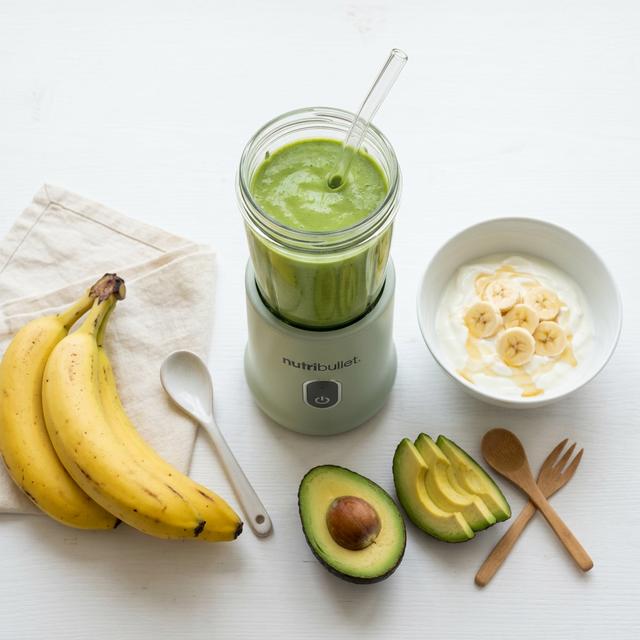
Typical recovery recipes: banana + yogurt + protein powder, blended oatmeal, avocado smoothie, cooled puréed vegetable soup.
2. Full-Size Countertop Blenders
Best for: Families or batch meal preppers who already own one
Standard blenders like the Vitamix, Blendtec, or KitchenAid with 48 to 64 oz pitchers. More power, more capacity, and some models handle hot soup.
Why they work if you already have one:
- More powerful motors (cards often list 1000 to 1500+ watts)
- Hot soup capability on some models — still let food cool before you eat it
- Larger batches for a household, not a reason to buy one for a 7-day recovery
- Smoother results on fibrous vegetables
Considerations:
- Research price: $100 to $500+
- Larger pitcher is harder to wash when you are sore
- Takes counter space
- Overkill if you only need one smoothie a day
Typical recovery recipes: large-batch puréed soups, smoothie bowls eaten with a spoon, blended pasta sauces.
3. Immersion (Hand/Stick) Blenders
Best for: Soup lovers and one-pot cooks
Handheld wand-style blenders you submerge in a pot or bowl. Brands like Breville, Cuisinart, and Mueller sell models in a research $25 to $80 band.
Why they show up on soup weeks:
- Blend in the pot, no pouring hot soup into a personal cup that may not be heat-rated
- Easy cleanup, rinse the wand
- Drawer storage
- Lower research cost than a full-size pitcher
Considerations:
- Better on cooked ingredients than frozen fruit
- May not match a high-speed pitcher for ultra-smooth texture
- You have to hold the wand — awkward if your dominant side is swollen
- Can splash if the head is not submerged
Typical recovery recipes: puréed soup in the pot, mashed potatoes, blended sauces.
Comparison at a Glance
| Feature | Personal blender | Full-size blender | Immersion blender |
|---|---|---|---|
| Research price | $30–$60 | $100–$500+ | $25–$80 |
| Best for | Smoothies, single meals | Batch soups, household prep | In-pot soup purée |
| Cleanup | One cup | Large pitcher | Rinse wand |
| Manufacturer watt bands | 600–1000W | 1000–1500W+ | 200–500W |
| Hot liquids | Often no — read the card | Some models yes | Yes, in the pot |
| Lid risk | Straw lids show up on parent pages | Pitcher lid, not a drink cup | No drink cup |
Those watt and price rows are research bands from manufacturer cards and street listings. They are not a lab log.
What to Blend During Recovery
Nutrient-dense options aftercare pages keep repeating — this is stocking, not a healing-speed diet:
Protein (aftercare pages treat this as the usual gap):
- Greek yogurt + banana + protein powder
- Silken tofu + fruit + honey
- Cottage cheese + berries, blended smooth
- Soft-scrambled eggs only if your written instructions allow lukewarm food
Softer produce (blend, do not chew seeds):
- Mango + orange juice smoothie
- Sweet potato + carrot soup (cooked, then blended)
- Tomato basil soup, cooled
Calorie-dense when eating is slow:
- Peanut butter + banana + milk smoothie
- Avocado + cocoa powder + date smoothie
- Blended oatmeal with honey and butter
If you are still deciding what to put in the cup, start with the grocery list instead of buying a second motor.
Buying Recommendations (desk, not a kitchen diary)
If you just want the simplest option: A personal blender in the research $30 to $70 band, with a sip lid. That covers one-week recovery meals and you can keep using it later.
If you already own a full-size blender: Use it. Do not buy a second machine for seven days. Stock smoothie and soup ingredients before the appointment.
If you eat mostly soup: An immersion wand in the research $25 to $35 band is the pot tool. It is not a substitute for a drink-from cup.
Tagged Amazon Cards (confirm the live title)
| Listing | Research price band | What to confirm before you click |
|---|---|---|
| Ninja BN301 Nutri-Blender Plus | About $60–$80 (research) | Live title is a personal cup system, not a pitcher-only countertop unit |
| Magic Bullet 11-Piece Set | About $30–$40 (research) | Cup + sip lid still in the box; skip any straw lid for week 1 |
| iCucina Smoothie Blender | About $40–$50 (research) | Confirm it is a personal cup, not a wand-only listing |
Desk shortlist (not a motor trial): The Ninja-style personal cup is the card that most often matches “blend and drink from the same cup” aftercare notes. We did not puree sockets in a lab, and a smoother shake is a comfort trait — not a claim that chunks “endanger” a clot. The Magic Bullet-style set is the budget card if the live title still includes cups you can sip. Star counts go stale. If the live title is a straw-lid travel cup or an immersion wand, use a tagged personal-blender search instead.
When to skip DIY: Skip buying a $400 pitcher for a one-week soft-food stretch. Skip any cup that only works with a straw. If food is packed in the socket and a gentle salt-water tilt does not clear it, that is a dentist call, not a higher wattage. Brush and irrigator timing is on Best Soft Toothbrushes for Post-Extraction Recovery and Best Water Flossers for Sensitive Gums.
Key Takeaway
A blender is a one-handed prep tool for a week when chewing is limited. A sip-lid personal cup is the usual buy if you own nothing; a pitcher you already have is enough; a wand is for soup in the pot. Nutrition still comes from what you stock, not from the motor. Confirm lid type on Amazon before you click.
Related Reading
- Best Soft Toothbrushes for Post-Extraction Recovery
- Best Water Flossers for Sensitive Gums After Extraction
- Post-Extraction Travel Kit
- Pre-Extraction Grocery List
- Soft Food Product Ideas
- Best Soft Foods After Dental Surgery
- 7-Day Soft Food Meal Plan
Written and researched by the JawPainAfterToothExtraction Editorial Team. Sources: ADA guidelines, Mayo Clinic, peer-reviewed dental literature. We are an editorial desk, not a dental clinic.